Whenever waste changes hands, there should be a clear record of who handed it over, who took it and what it was. In Scotland, that record is known as a waste transfer note. If you run a business, a construction site or a property company, it is a legal requirement. Even as a householder, understanding transfer notes helps protect you from rogue operators.
What is a waste transfer note?
A waste transfer note, often shortened to WTN, is a document that records the transfer of waste from one person to another. It is part of the duty of care set out in section 34 of the Environmental Protection Act 1990, and the Scottish Government publishes a code of practice explaining how it works.
The transfer note is your evidence that waste was passed on properly, together with the information needed to handle it safely.
What does a transfer note include?
A waste transfer note typically records:
- A description of the waste, including what it is and how it was produced
- The quantity of waste and how it is contained, for example in a skip
- The waste code that classifies the type of waste
- The date and place of the transfer
- The names and addresses of the person handing over the waste and the person receiving it
- Details of the receiver's authorisation, such as their waste carrier registration
- Signatures from both parties
Who needs one?
Businesses and organisations
If your waste comes from a business, including trade, construction, demolition or commercial activity, a transfer note is required every time waste is passed to someone else. That applies to builders, landlords, shops, offices, factories and anyone else producing waste through their work.
Householders
Householders dealing with waste from their own home do not usually need to complete a transfer note. However, householders do still have a duty of care. You must take reasonable steps to make sure your household waste is only handed over to someone authorised to take it, such as a registered waste carrier or the council. If your waste is fly tipped by an unregistered operator, it can be traced back to you.
How long should you keep a transfer note?
Under the Scottish Government's duty of care code of practice, you must keep a copy of the waste transfer note for two years. An electronic copy is acceptable, as long as you can produce it if asked by SEPA or the local council.
Why you should always ask for one
Even when it is not strictly required, asking for a transfer note or a receipt that shows the company's details is a good habit. It:
- Proves where your waste went if questions are ever asked.
- Confirms the company is legitimate. A registered waste carrier will be happy to provide paperwork.
- Helps protect you if waste is later found dumped illegally.
- Supports your records, especially for landlords and businesses who need to show they manage waste responsibly.
Be cautious of anyone offering to take waste for cash with no paperwork, no registration number and no fixed address.
Transfer notes and recycling reports
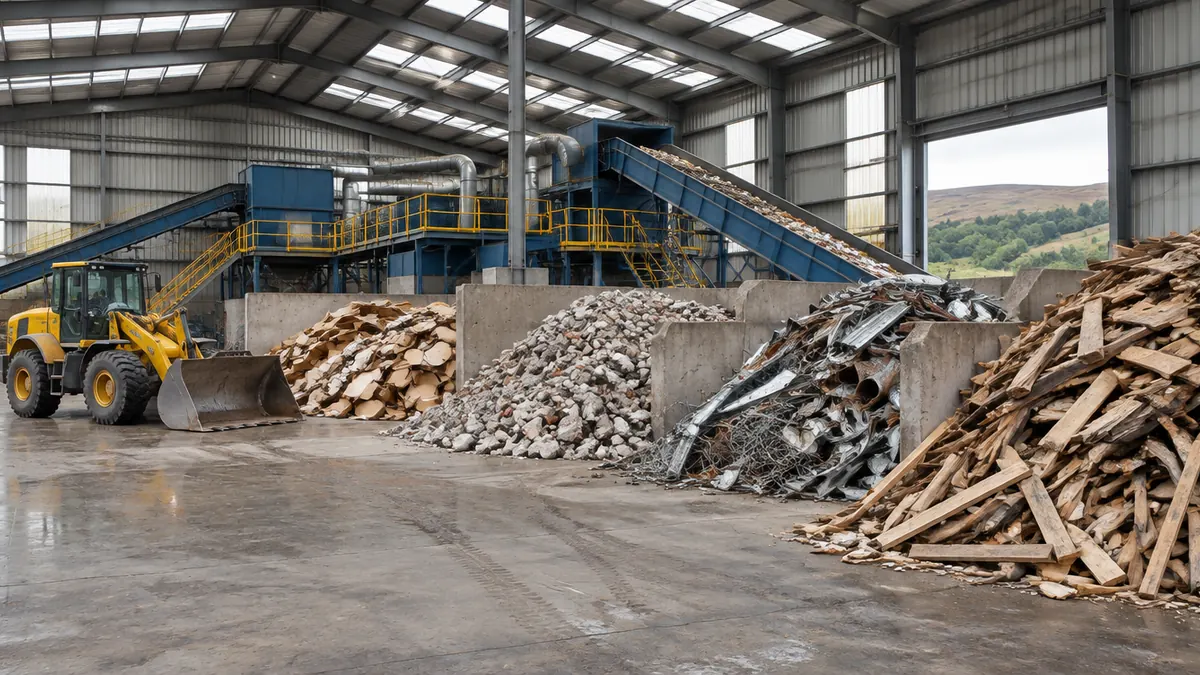
For our commercial customers, we go further than the basic paperwork. As well as waste documentation, we offer daily and monthly recycling reports showing the weight of each skip and the percentage of waste recycled at our waste transfer recycling facility. This gives businesses a clear picture of their waste and supports environmental reporting.
Responsible skip hire in Glasgow
We have been handling waste responsibly for customers across Glasgow, Paisley and Renfrew since 1989. If you need waste paperwork for a project, let us know when you book. Read more about us or get a free quote.
Quick answers
Do I need a waste transfer note for a skip?
Businesses need a transfer note whenever waste is passed on. Householders clearing their own home do not usually need one, but they must use an authorised carrier.
How long do I keep a waste transfer note in Scotland?
The Scottish Government's code of practice says a copy must be kept for two years. Electronic copies are acceptable.
What is the duty of care for waste?
It is a legal duty to take reasonable steps to make sure waste is stored, transported and disposed of safely and only passed to authorised people.