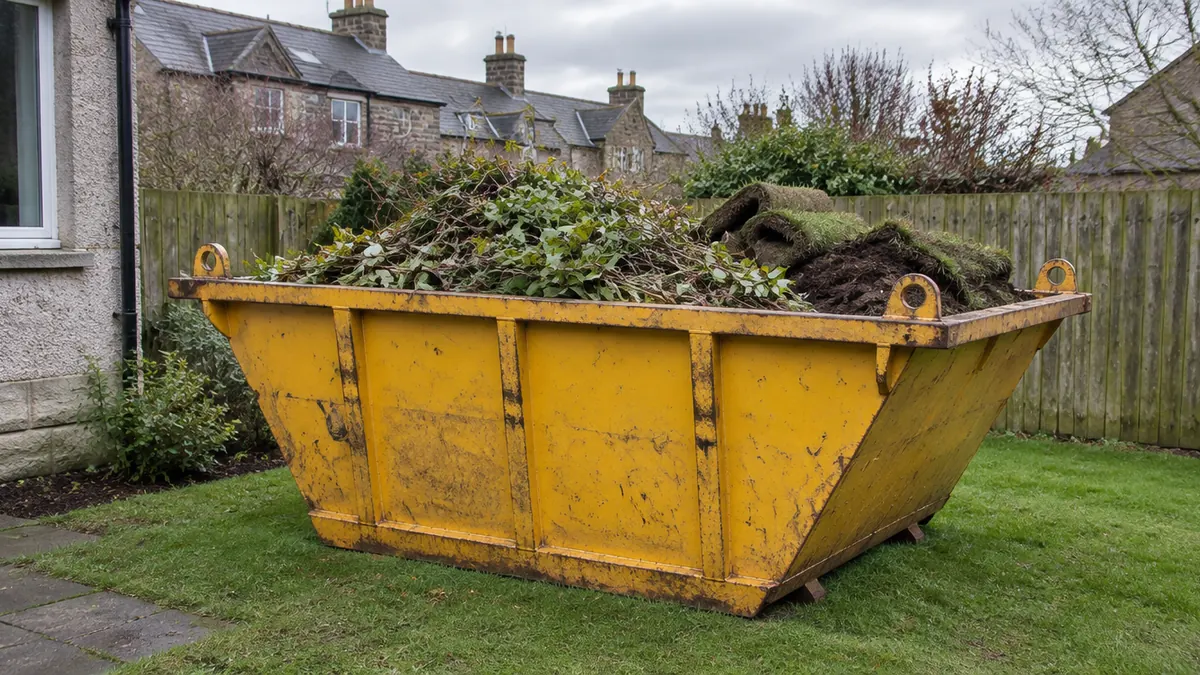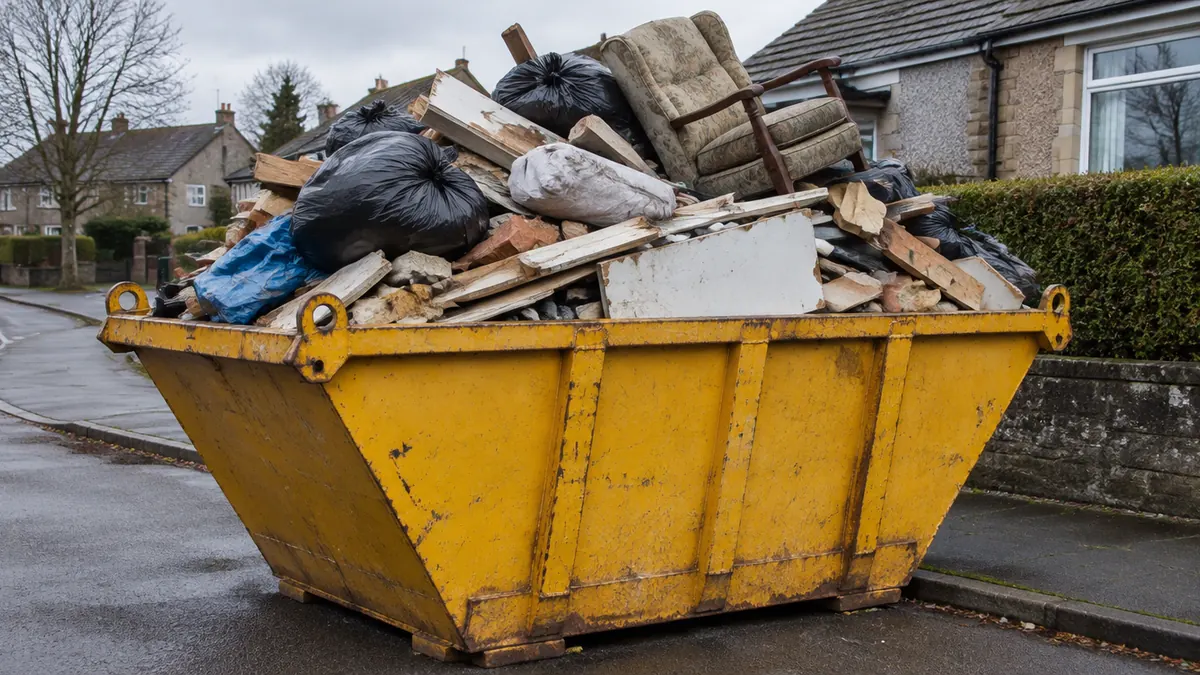
Once your skip is collected, it is easy to assume the waste simply goes to landfill. In reality, most skip waste in Glasgow today is sorted and recycled. At Skip Hire Now, at least 90 percent of the mixed general waste we collect is recycled, reducing the amount sent to landfill.
Here is what happens to your waste after it leaves your property.
Step one: collection
When your skip is full, our driver collects it and transports it to our waste transfer recycling facility. Because skips are carried on open lorries, the load needs to be level with the top of the skip so nothing falls off during the journey.
Step two: weighing and recording
When the skip arrives, it is weighed. This tells us how much waste has been collected and is the starting point for the recycling reports we provide to our customers.
Step three: sorting
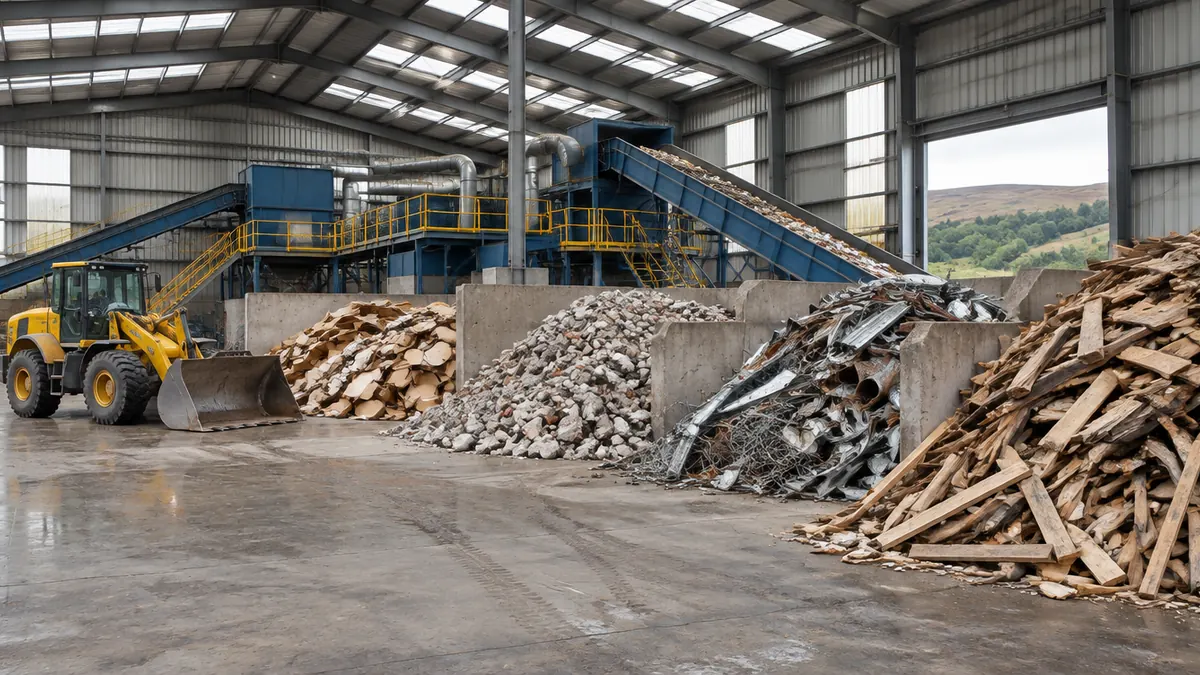
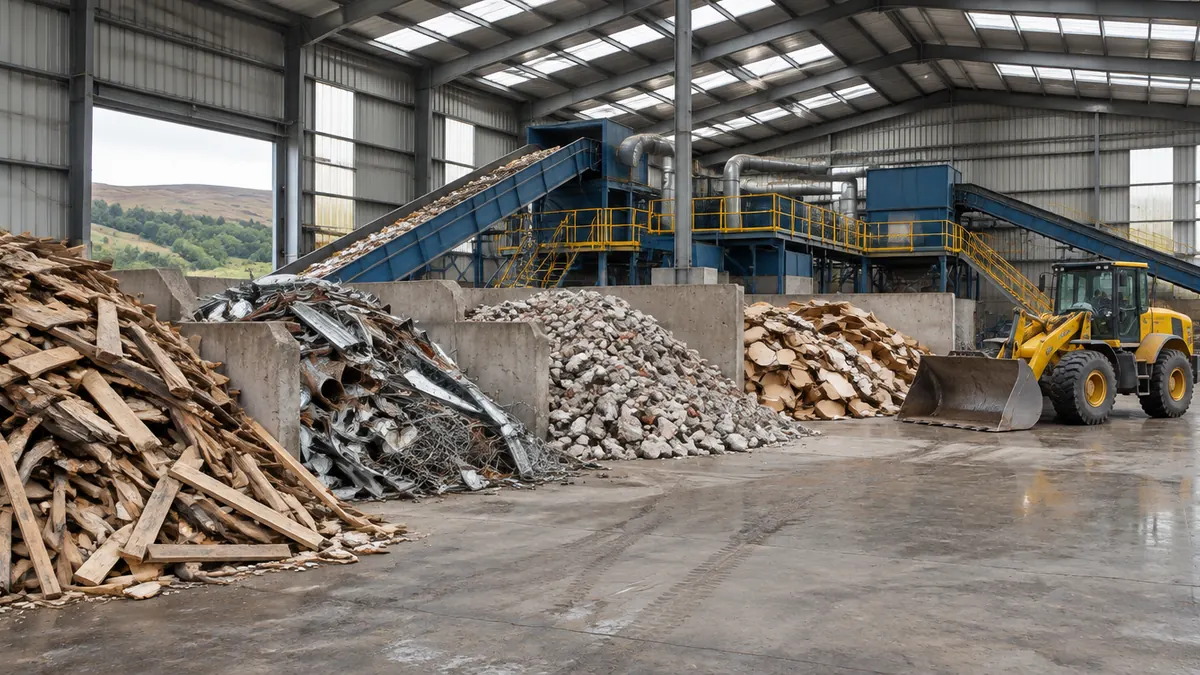
The skip is emptied and the waste is sorted into different material streams. Mixed waste from a typical skip might include wood, metal, rubble, soil, cardboard, plastics and general rubbish. Each of these can go to a different place.
- Wood can be chipped and used for products such as board materials or biomass fuel.
- Metal such as radiators, pipes and steel is sent for scrap recycling.
- Rubble, concrete and brick can be crushed and reused as aggregate.
- Soil can be screened and reused, for example in land restoration.
- Cardboard and paper are baled and sent for recycling.
- Plastics are separated where they can be recycled.
Only the waste that cannot be recovered goes to landfill or other disposal.
Why sorting matters
Recycling waste rather than sending it to landfill has real benefits:
- It protects the environment by reducing the amount of waste buried in the ground.
- It saves resources by turning old materials into new products.
- It can reduce costs. Landfill is taxed, so recycling more can help keep costs down, particularly for businesses with high volumes of waste.
How you can help
The way you fill your skip makes a difference to how much can be recycled:
- Keep problem items out. Fridges, televisions, sofas, paint, gas bottles, asbestos and plasterboard should not go in a mixed skip.
- Keep heavy materials clean. Soil and rubble that are not mixed with other waste are easier to recycle.
- Separate where you can. On larger projects, separate skips for different materials can increase recycling rates.
Recycling reports for every customer
We offer recycling reports to all customers to show the waste that has been recycled at our facility.
- Daily recycling report. A breakdown of each skip, showing the percentage of each type of waste, the percentage recycled and the weight of each skip.
- Monthly recycling report. A breakdown of all waste removed from site during the month, showing the percentage recycled and the total weight removed.
These reports are especially useful for businesses that need to show environmental performance to clients, investors or regulators.
Waste segregation for businesses
For larger companies with high waste outputs, we can carry out on-site audits and introduce waste segregation. Separating waste at source raises recycling levels and can reduce landfill tax costs. Find out more in our guide to commercial skip hire and recycling reports.
Responsible waste management since 1989
We are committed to disposing of your waste in an environmentally friendly way. Learn more about Skip Hire Now, see our skip hire in Glasgow, or get a free quote.
Quick answers
Does skip waste go to landfill?
Most does not. At least 90 percent of the mixed general waste we collect is recycled at our waste transfer recycling facility.
What happens to rubble from a skip?
Rubble, brick and concrete can be crushed and reused as aggregate.
Can I get a report showing my waste was recycled?
Yes. We offer daily and monthly recycling reports to all customers.