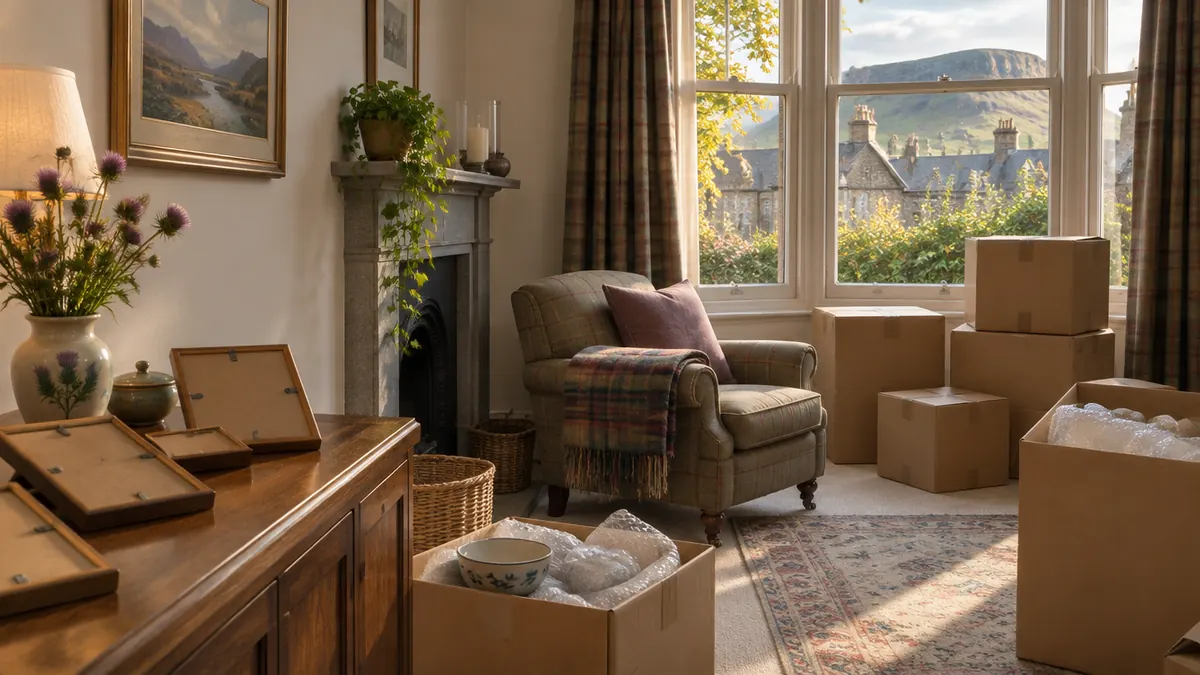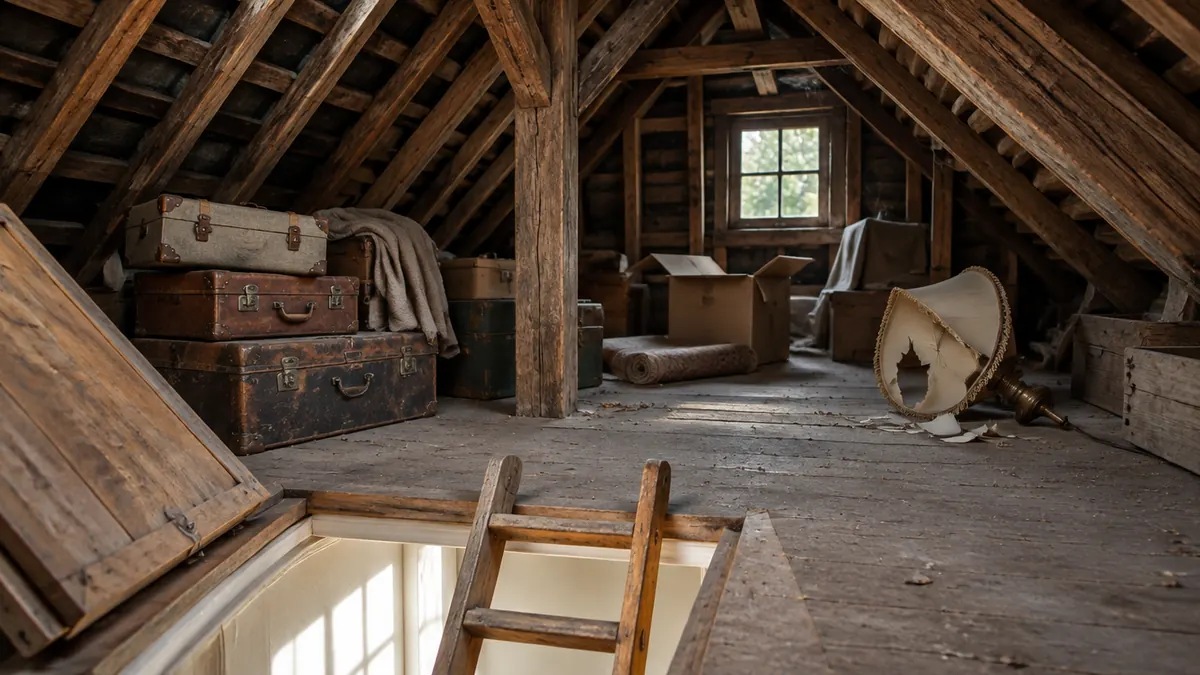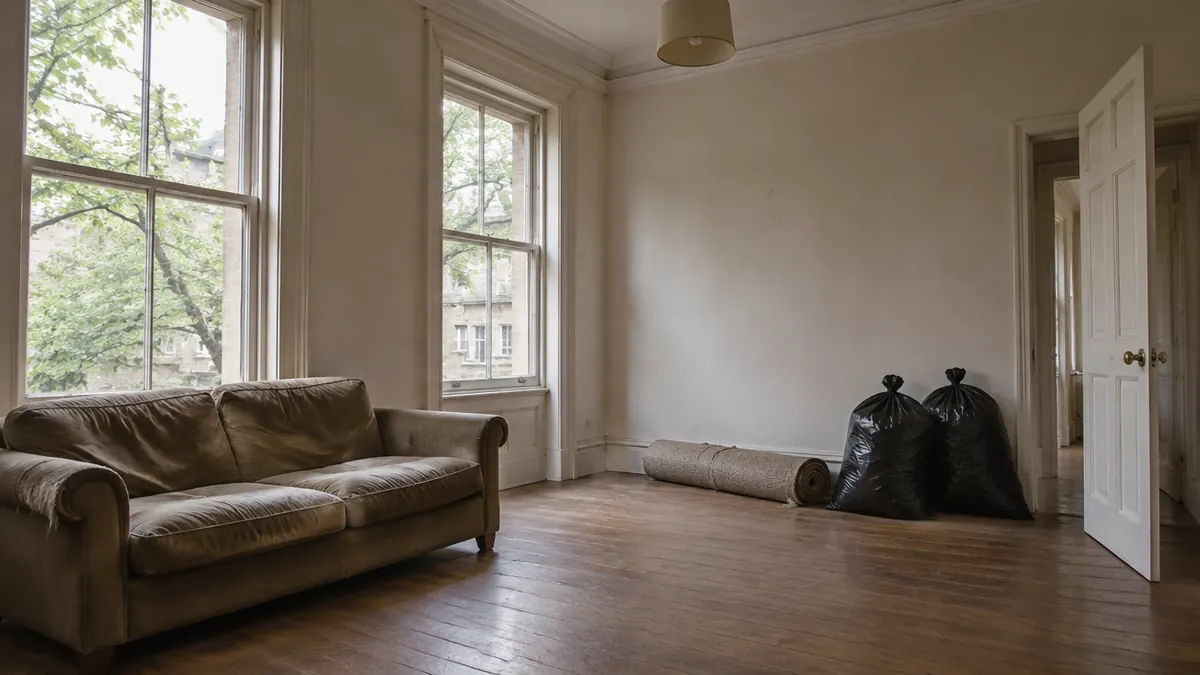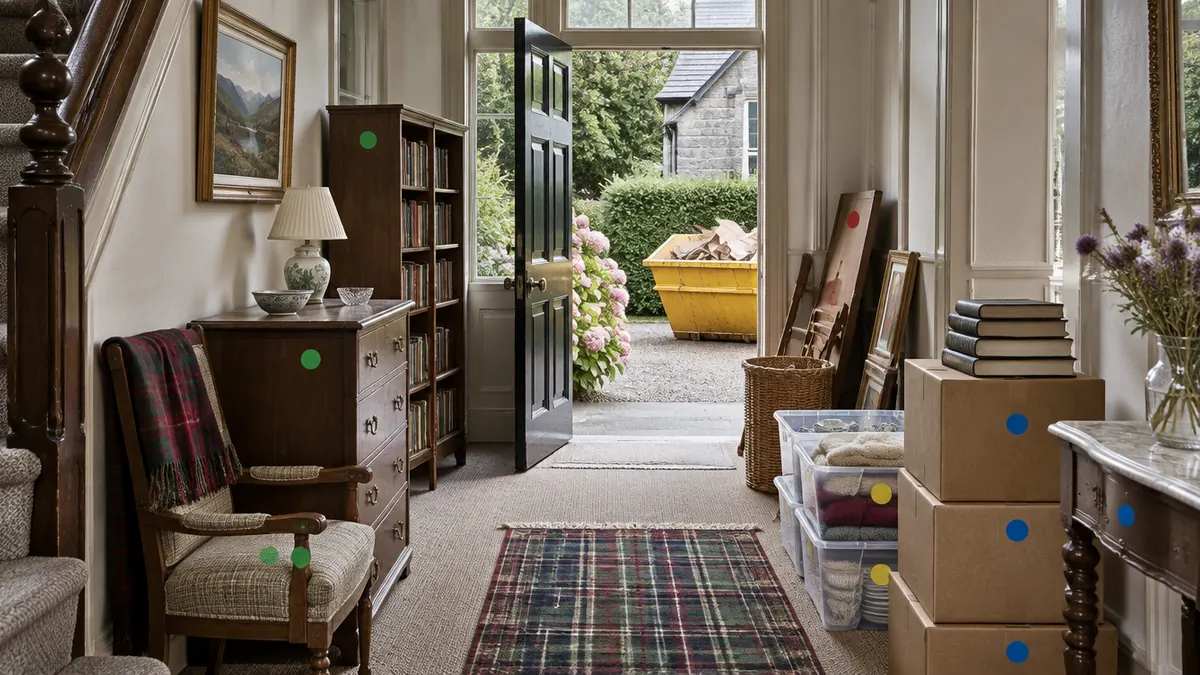
Clearing a whole house is a big job. Whether you are moving, downsizing, preparing a property for sale or clearing a rental between tenants, the volume of belongings can feel overwhelming. Working room by room, with a skip on the driveway, turns one huge task into a series of manageable ones.
Before you start
Choose the right skip
For a full house clearance, an 8 yard builders skip is usually the starting point. A large house, or one that has not been cleared for many years, may need a 12 or 14 yard skip, which suits bulky but light waste such as furniture frames, boxes and soft items. If you are unsure, tell us how many rooms there are and how full they are, and we will advise.
Arrange separate collection for problem items
Some items commonly found in a house cannot go in a skip. Set these aside from the start:
- Sofas, armchairs and other upholstered seating
- Fridges, freezers and other appliances
- Televisions, computers and electrical items
- Paint, chemicals and gas bottles
Councils offer bulky uplifts, and Glasgow City Council's household waste recycling centres accept upholstered seating, white goods, mattresses and electrical items from residents.
Get boxes and bags ready
You will need boxes for things you are keeping, bags for donations and heavy duty bags for waste.
Room by room plan
Start with the least used rooms
Spare rooms, lofts and garages are usually full of things nobody uses. Starting there builds momentum and creates space to sort items from the rest of the house.
The kitchen
Empty cupboards, check dates on food and set aside small appliances. Pots, pans and crockery in good condition can be donated. Broken items can go in the skip. Old cleaning chemicals need to be disposed of separately.
Bedrooms
Sort clothes into keep, donate and waste. Clothes and textiles in good condition can go to charity or textile banks. Wooden bed frames, wardrobes and drawers can go in the skip if they are not wanted, but mattresses should be mentioned when you book because they are often charged separately.
The living room
Sofas and armchairs must be kept out of the skip in Scotland because of SEPA rules on upholstered seating. Wooden furniture, shelving and broken items can go in. Televisions and electrical items need to be recycled separately.
The bathroom
Clear out cabinets and dispose of medicines safely by returning them to a pharmacy rather than putting them in the skip.
The garden and shed
Garden waste, broken furniture and old pots can go in the skip. Garden chemicals, fuel and gas bottles cannot.
Tips for a smoother clearance
- Work one room at a time and finish it before moving on.
- Make decisions once. Decide where each item goes when you first pick it up.
- Load the skip as you go so waste does not pile up in hallways.
- Break down furniture to save space.
- Look out for valuables and documents. Check pockets, drawers and books before anything is thrown away.
- Shred personal paperwork rather than putting it in the skip.
Keep your skip for your waste
House clearances can take several days. If the skip is on the street, other people may add their rubbish. A lockable skip, or placing the skip on your driveway, helps keep it for your waste only.
Need more than one skip?
On large clearances, it is common to need an exchange. When your first skip is full, we collect it and drop off an empty one in a single visit, so the clearance keeps moving.
Book your house clearance skip
We help with house clearances across Glasgow, Paisley, Renfrew and the surrounding areas. Get a free quote.
Quick answers
What size skip do I need for a house clearance?
An 8 yard builders skip suits most house clearances. Large or very full houses may need a 12 or 14 yard skip.
Can furniture go in a skip?
Wooden and metal furniture can. Sofas, armchairs and other upholstered seating cannot go in a mixed skip in Scotland.
How long does a house clearance take?
It depends on the size of the house, but working room by room with a skip on site makes it much quicker.