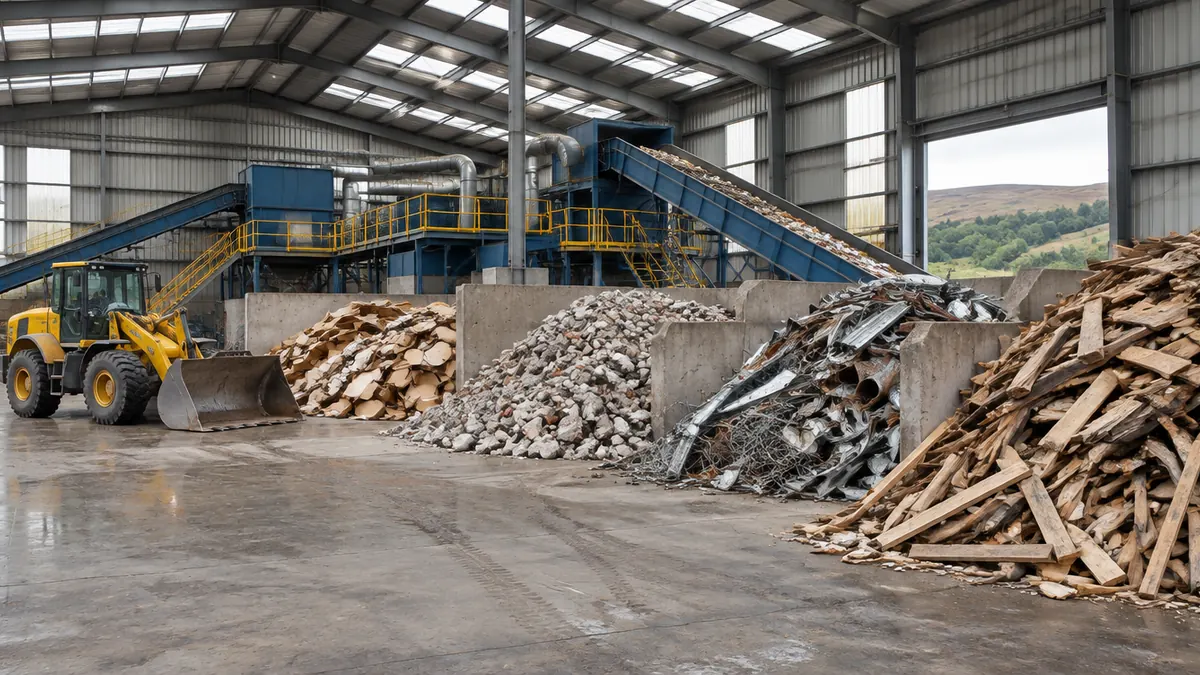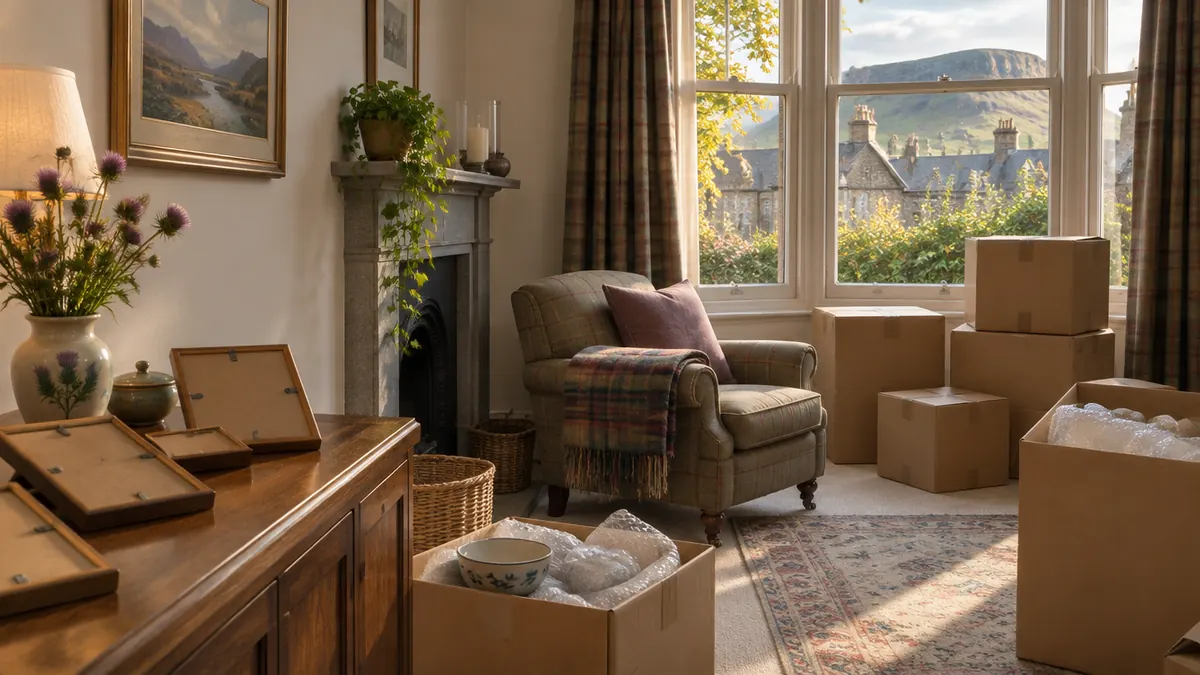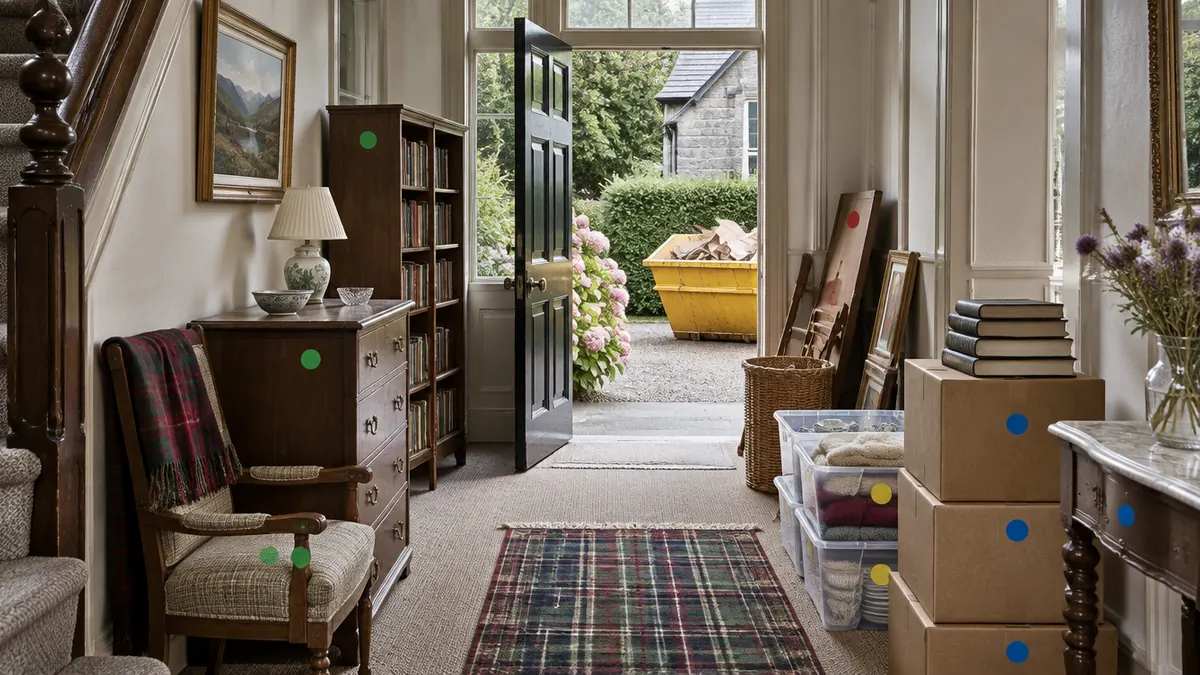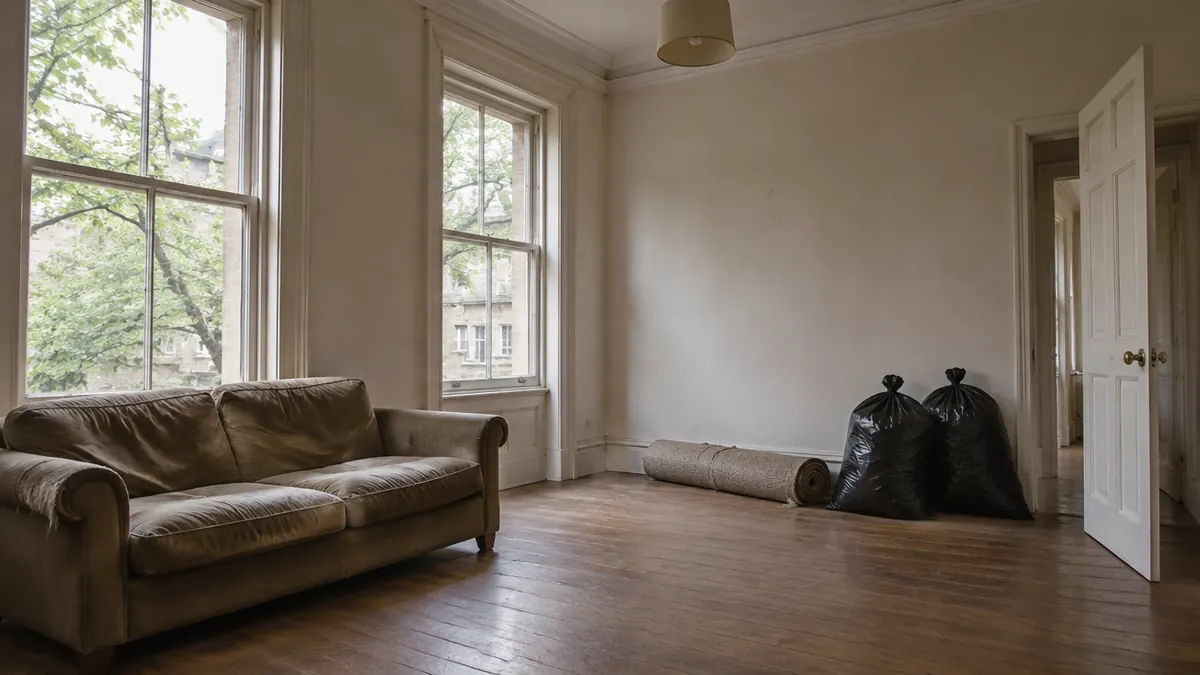
For landlords and letting agents, the gap between tenancies is valuable time. Every week a property sits empty costs money, so clearing, cleaning and refreshing it quickly is important. A skip is often the most efficient way to deal with the waste left at the end of a tenancy, and with any work done before the next tenant moves in.
Common waste between tenancies
Between tenancies, landlords typically deal with:
- Rubbish and unwanted items left by the outgoing tenant
- Worn carpets and flooring being replaced
- Old furniture being upgraded
- Waste from repairs, redecoration or a kitchen or bathroom refresh
- Garden waste from an overgrown garden
Items left behind by tenants
Before anything goes in a skip, take care with items the previous tenant has left behind. In Scotland, belongings left at the end of a tenancy do not automatically become the landlord's property. Landlords should check the tenancy agreement, try to contact the former tenant, and keep a record of what was left, ideally with photographs.
If you are unsure whether a tenancy has properly ended, or whether you can dispose of belongings, get advice from a solicitor or a landlord association before clearing the property. Disposing of a tenant's belongings too early can cause problems.
Once you are confident items can be disposed of, a skip makes clearing them quick.
Choosing the right skip
- Light clear out of a flat: a 2 or 4 yard skip.
- Full clearance of a furnished flat or house: an 8 yard builders skip.
- Clearance plus refurbishment: an 8 yard skip, or a larger skip for bulky light waste.
If the property is a tenement flat without a driveway, our wait and load service is often the quickest option. The driver waits while the skip is loaded, then takes it away.
What cannot go in the skip
Rental properties often contain items that need separate disposal:
- Sofas and armchairs. Upholstered seating must be kept out of mixed skips in Scotland.
- Fridges, freezers, washing machines and other appliances.
- Televisions and electrical items.
- Mattresses. These can sometimes go in a skip with notice, but they are usually charged separately.
- Paint, chemicals and gas bottles.
Duty of care for landlords
Landlords disposing of waste from rental properties are acting as a business. That means you have a duty of care to make sure waste is passed only to an authorised waste carrier, and you should keep a waste transfer note for each transfer. The Scottish Government's code of practice says transfer notes must be kept for two years.
Always check that the company you use is authorised with SEPA, and avoid anyone offering to take waste away for cash with no paperwork. If waste from your property is fly tipped, it can be traced back to you.
Working with letting agents
If a letting agent manages your property, they may arrange the clearance for you. Make sure they use an authorised carrier and that you receive copies of any waste paperwork for your records.
Portfolio landlords
If you manage several properties, it helps to have a reliable skip hire partner you can call whenever a property becomes vacant. We work with landlords and property managers across Glasgow and Renfrewshire, and we can provide the paperwork you need for each job.
Book your skip
We supply skips for rental property clearances across Glasgow, Paisley, Renfrew, Erskine and the surrounding areas. Get a free quote.
Quick answers
Can I throw away items a tenant has left behind?
In Scotland, items left behind do not automatically become the landlord's property. Check the tenancy agreement and get advice before disposing of them.
Do landlords need a waste transfer note?
Yes. Waste from a rental property is business waste, so a transfer note should be kept for two years.
What size skip do I need to clear a rental flat?
A 2 or 4 yard skip suits a light clear out. A fully furnished flat usually needs an 8 yard builders skip.